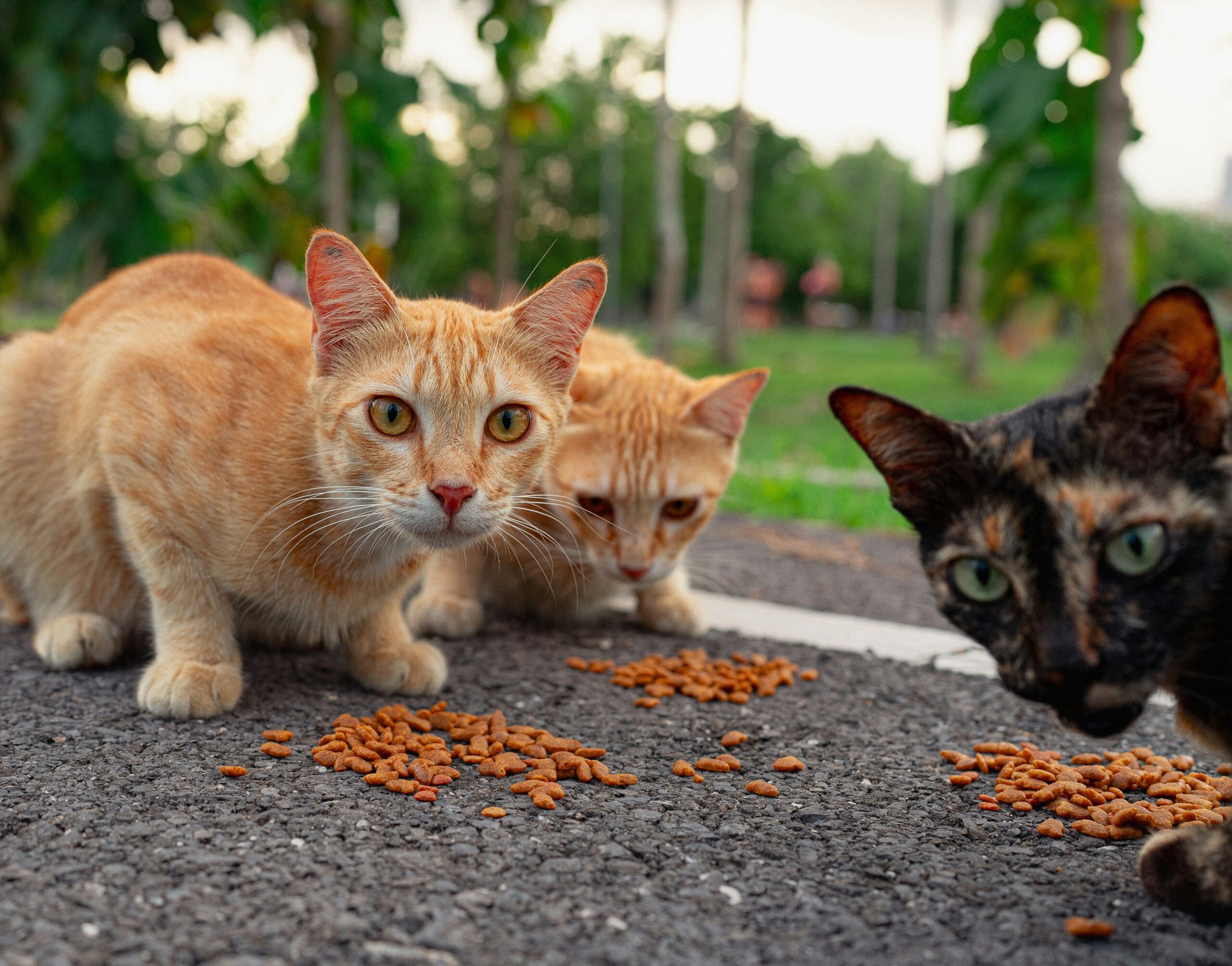
Many of our volunteers serve as colony caretakers, monitoring their cats for illness or injury and helping them receive care, while also getting any new cats sterilized, and finding homes for kittens. We support many more independent caretakers by helping them TNVR the cats they care for and providing medical treatment when needed.
Cats that have been ear-tipped — a small, painless notch made in the tip of the left ear during surgery — are the universal symbol of a sterilized and vaccinated community cat. If you spot an ear-tipped cat in your neighborhood, they are already part of a managed colony.
In addition to colony management, we take in community cats at risk of euthanasia at shelters due to lack of resources to care for them. We provide medical foster care for cats whose treatment may be expensive or time consuming to bring back to health. Our fosters have nursed cats through broken bones, severe skin conditions like scabies, dental disease and tooth extractions, eye infections, internal injuries, upper respiratory infections, and serious systemic illnesses that require weeks or months of medication and rehabilitation.
Once healed, these animals are ready to bring joy to a loving family.
Community cats are outdoor, unowned, free-roaming cats that may be friendly or feral, and often live in groups called colonies. They are called "community cats" because they do not have a specific owner. Often they are cared for by individuals or organizations that provide food, water, and sometimes medical care.
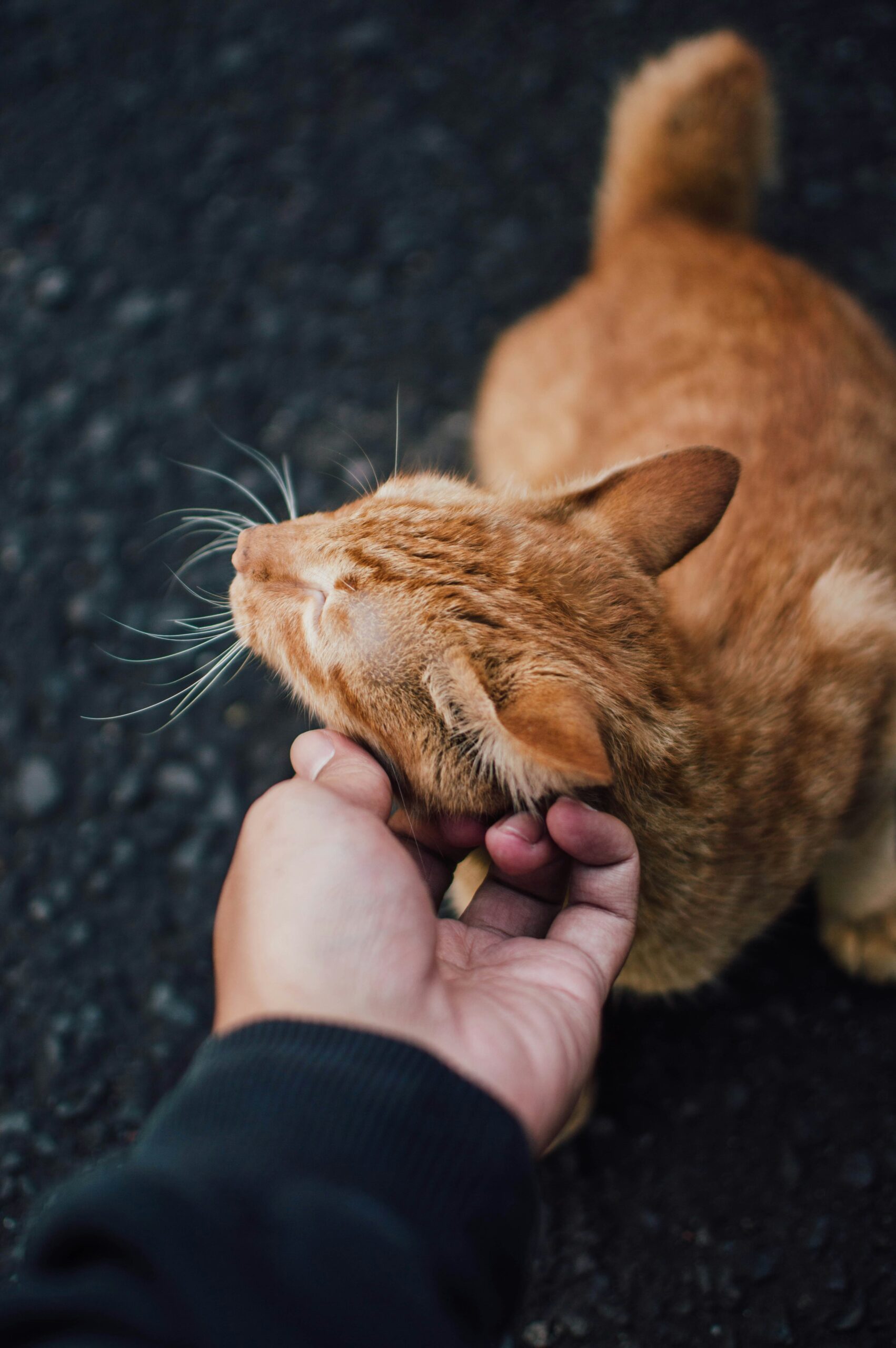
No. Some are friendly — usually those that have previously been pets that were lost or abandoned. Many former pets become fearful of humans in order to survive outdoors because they are not welcomed by the people they encounter, but are not considered feral. True feral cats actively avoid humans.
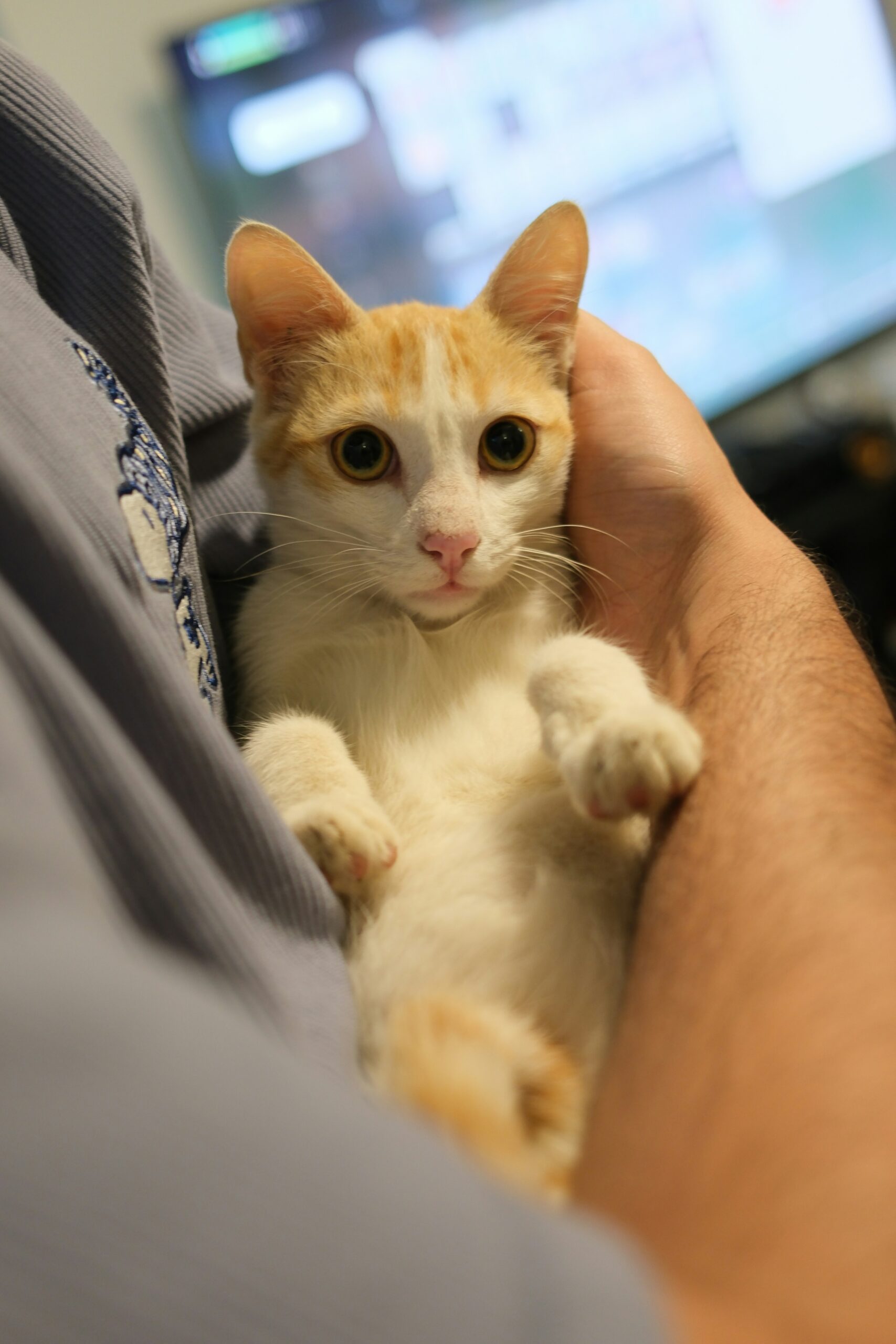
No, in fact most of our adoptable kittens are from community cat colonies. Some kittens are born friendly, and most can be socialized if they are under 9–12 weeks old; after that age it becomes harder. Even outdoors, kittens that are around friendly cats and exposed to humans regularly may grow up friendly. Kittens raised mostly around feral cats tend to learn those behaviors instead.
Yes! We do our best to find homes for all the kittens and friendly adults we find when performing TNVR. It’s harder for us to place adult cats because fewer people want to adopt them but they can be some of the most loving pets. They seem to realize how lucky they are and show their appreciation by being very affectionate.
They often form colonies around a steady food source. If they are lucky, it's a kind feeder who gets them spayed or neutered and monitors their health. Some colonies are just a few cats fed in someone's backyard. Others congregate near restaurant dumpsters or in areas where they can feed on rodents. Without sterilization and management, colonies can grow to several dozen animals over time.
It varies by location. Some municipalities in the Tampa Bay area have specific ordinances regarding community cat feeding, while others do not. We recommend checking with your local city or county before establishing a feeding station. And always keeping feeding areas clean and free of excess food or bowls to minimize any concerns from neighbors or local authorities.
While cats thrive as companion animals, they can survive outside if they have food, water, and a safe space. Spaying and neutering is healthier for the animals and reduces unwanted behaviors like yowling, spraying, and fighting, making them better neighbors. However, community cats do face real dangers outdoors from cars, disease, people, and predators — which is why colony management and veterinary care matter so much.
Community cats help keep unwanted wildlife like rats and other rodents in check. However, they can also impact bird and small wildlife populations, which is one of the reasons responsible colony management is so important. A well-fed, stable, sterilized colony is significantly less likely to hunt than a hungry, unmanaged one. Regular feeding, sterilization, and active colony oversight all help minimize the environmental impact of community cats while still allowing them to live out their lives humanely.
Whether you are already caring for a colony, have noticed cats in your neighborhood that need help, or simply want to support our work, we are here for you.
See our TNVR page for more information as well as step-by-step instructions. We also do our best to respond to requests from our Contact page.
We provide training, support, and resources for volunteers who want to care for a local colony. Click below to fill out an application.
Your donation funds the medical care, supplies, and TNVR surgeries that keep community cats and their neighborhoods healthy.